A smart home may sound like something from a sci-fi movie, but it's already a part of modern living for many households. At its core, a smart home is one that uses connected devices to handle everyday tasks automatically or through remote control. These devices aren't just about convenience; they can help reduce effort, improve safety, and make the space more responsive to your routine. A smart home doesn't need to be flashy or filled with tech; it just needs to work better for the people living in it.
A smart home is essentially a living space where everyday devices are connected and can be controlled remotely or set to work automatically. This network might include lights, door locks, thermostats, appliances, or sensors all communicating through Wi-Fi, Bluetooth, or similar systems. Instead of handling everything manually, you set preferences once, and the home takes care of the rest.
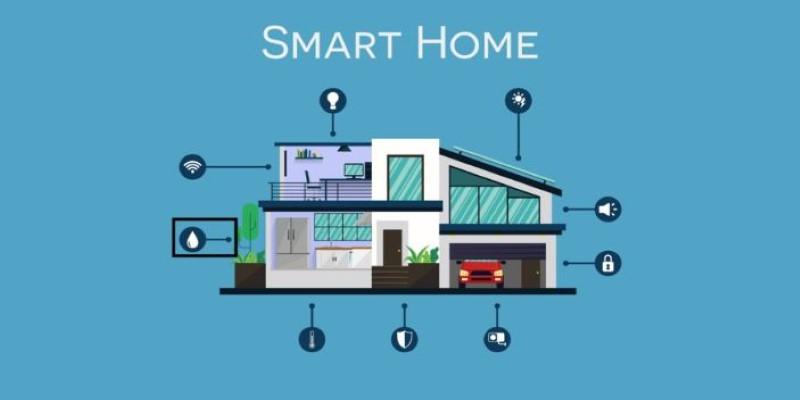
Automation is what sets smart homes apart. Lights can switch on as you pull into the driveway. The thermostat might warm things up just before you get out of bed. Some systems go further, learning your habits and adjusting themselves over time without constant input.
What makes it valuable isn't just the tech, it's the way it quietly supports daily routines. A well-designed smart home doesn't demand your attention. It fades into the background, handling tasks so you don't have to. This shift from novelty to usefulness means the focus is no longer on flashy features, but on how these tools make life at home more thoughtful, more responsive, and more comfortable without being intrusive.
Smart homes are often introduced through small changes. Lights are one of the most common starting points. With smart bulbs or switches, lights can be dimmed, scheduled, or controlled by voice. It may seem minor, but it quickly becomes second nature. Over time, these small conveniences build up.
Security is another key reason people choose smart systems. Smart doorbells, cameras, and locks give you access to what’s happening at home even when you’re away. You can check who’s at the door, let someone in with a code, or receive alerts if there’s unexpected activity. It adds peace of mind, especially for those who travel or have children.
Smart thermostats are another widely used tool. These devices manage your home’s heating and cooling more efficiently. You can adjust settings remotely or let the system learn your habits and schedule. Many users see noticeable energy savings over time. Smart appliances follow the same logic. Ovens, laundry machines, and fridges now come with options to send alerts, schedule tasks, or operate based on custom routines.
What ties all of this together is voice control and mobile apps. Instead of getting up to check locks or turn off lights, a simple voice command or tap on your phone can handle it. These aren't luxury features anymore; they're practical tools that free up attention and time for more important things.
The real backbone of a smart home is the network it runs on. A strong and stable Wi-Fi connection is essential. Devices need to communicate reliably, whether through Wi-Fi, Zigbee, Z-Wave, or Bluetooth. Choosing devices that work well together is important, especially if they rely on different platforms.

Most systems today work with assistants like Google Home, Amazon Alexa, or Apple Home. These platforms provide voice control and allow users to create automated routines. A routine could involve turning off all lights, locking the doors, and adjusting the thermostat with a single command or at a set time.
Automation plays a big role in what makes a smart home useful. Instead of just reacting to commands, smart devices can anticipate needs. This might include adjusting the temperature based on your usual schedule or starting a coffee machine at the same time each morning. Some setups go a step further, using sensors or location data to trigger changes. If you leave home, the system can switch off lights, arm the alarm, and adjust heating automatically.
Privacy and security matter here. Smart devices collect information, and it’s important that this data is protected. Manufacturers are starting to offer better tools for managing privacy, but users also play a role. Keeping software updated, using strong passwords, and checking device permissions are all part of maintaining a secure smart home.
Smart homes are part of a broader shift toward more connected living. The technology isn't limited to a few devices anymore; it's expanding into water monitoring, air quality control, power usage tracking, and more. The goal is to make homes more responsive and efficient.
Energy management is a growing part of this. Smart systems can help track energy use and offer suggestions for cutting waste. Smart water sensors can detect leaks before they become major problems. Some systems adjust sprinkler schedules based on weather forecasts to avoid unnecessary watering.
Accessibility is another benefit. For people with mobility challenges or other health concerns, smart homes can make daily living more manageable. Voice control, motion-triggered lighting, and automated routines reduce the need for physical effort in many tasks.
There's a move toward doing more of the processing within the home itself. Instead of sending data to outside servers, newer devices are using local computing to reduce delays and keep data more private. This shift could improve speed and reliability, while also reducing how much personal information leaves the house.
The appeal of a smart home lies in how well it fits into your lifestyle. It doesn't need to be a full transformation. A few well-chosen upgrades can have a lasting effect on comfort, convenience, and efficiency.
A smart home isn't about turning your house into a machine. It’s about making everyday tasks feel less like chores. By connecting common devices and letting them work together, you can create a space that fits more naturally into your life. From adjusting lights to checking who’s at the door, the changes often feel small but add up in useful ways. Smart homes are no longer futuristic concepts. They're practical solutions to everyday routines built not for show, but for the quiet convenience of daily life.

Failures often occur without visible warning. Confidence can mask instability.

We’ve learned that speed is not judgment. Explore the technical and philosophical reasons why human discernment remains the irreplaceable final layer in any critical decision-making pipeline.

Understand AI vs Human Intelligence with clear examples, strengths, and how human reasoning still plays a central role

Writing proficiency is accelerated by personalized, instant feedback. This article details how advanced computational systems act as a tireless writing mentor.

Mastercard fights back fraud with artificial intelligence, using real-time AI fraud detection to secure global transactions

AI code hallucinations can lead to hidden security risks in development workflows and software deployments

Small language models are gaining ground as researchers prioritize performance, speed, and efficient AI models

How generative AI is transforming the music industry, offering groundbreaking tools and opportunities for artists, producers, and fans alike.

Exploring the rise of advanced robotics and intelligent automation, showcasing how dexterous machines are transforming industries and shaping the future.

What a smart home is, how it works, and how home automation simplifies daily living with connected technology

Bridge the gap between engineers and analysts using shared language, strong data contracts, and simple weekly routines.

Optimize your organization's success by effectively implementing AI with proper planning, data accuracy, and clear objectives.