Have you ever wanted your virtual assistant to speak more as a real person would, with natural tone, emotion, and even pauses? Ta-da! Meet Sesame AI’s new conversational speech model (CSM), a viral sensation that generates voices for models that sound almost human. Funded by Oculus co-founder Brendan Iribe, the CSM doesn't just replicate speech; it delivers speech that can also add emotion, rhythm, and life! So waiting for what goes and will read about it below.

The model referred to as SSM 1B is an open-source advanced AI voice generator consisting of around 1 billion parameters that produce incredibly natural-sounding speech. Rather than going through an old-school "text-to-speech" procedure, it takes both text and audio as input. Sesame just published this under the Apache 2.0 license, making it available for developers and creators to use freely.
Sesame doesn't just understand words; it understands how words sound. It understands tone, breaks in speech, rhythm, etc. This makes its talks a lot more conversational, as real speech should be. It also allows for the use of voices that sound more expressive than robotic.
This model separates what is said (semantic tokens) from how it sounds (acoustic tokens). With this, we can preserve meaningfulness and emotionality. In this way, the generated speech is both accurate and natural.
Sesame is capable of remembering what was said up to the last 2 minutes of the conversation to avoid losing context. It utilizes a contextual model that continues contextually from the last conversational reply, unlike other older tools that revamped context after every sparking conversation. This gives it the ability to continue naturally and more humanly in interactions and conversations.
Many nuanced details of expressed speech exist, everything from laughter to slowing down to think of a good answer. Sesame simulates as many of these details into speech as it can. We even simulate "uh" and "um." These details provide a better feeling of a relatable voice than a machine-like robot.
Sesame released its model as an open source for everyone to use and improve upon. Developers can build apps, assistants, or tools without significant ongoing costs for using a previously published model. Sesame's auto-regressive model is intentionally designed to be scalable, usable in nearly any industry, as well as big projects with scale.
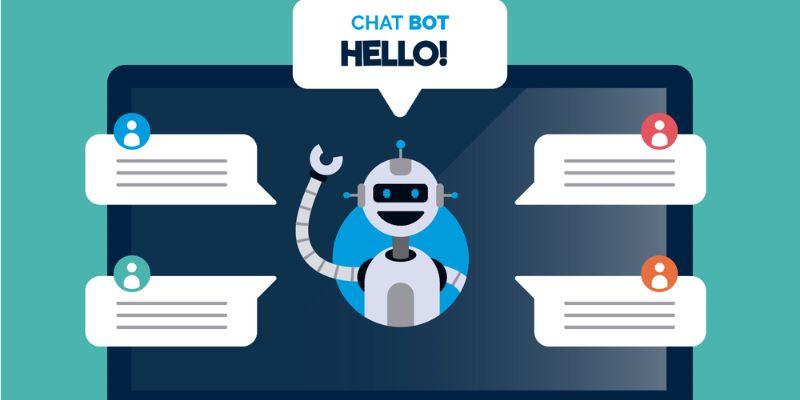
Sesame produces speech that has emotion within a situational context and can offer empathetic support, sound enthusiastic while teaching, or be calm when guiding users through a task. This variety has excellent potential for trust and comfort.
Traditional systems processed speech in multiple steps (speech-to-text, language model, text-to-speech). Sesame's model treats this as one integrated process, meaning latency is significantly reduced and conversations feel smoother. Thus, the replies are faster and feel less scripted, occurring more spontaneously instead.
Sesame's model allows developers and businesses to operate highly customized applications and innovate without the price tag attached to costly licensing. By doing this, many developers and companies can easily integrate Sesame into apps, virtual assistants, and devices at scale.
Sesame can deploy its lifelike voices in endless industries from education to healthcare, gaming to accessibility tools. For instance, it can make virtual teachers sound more engaging, doctors sound even more reassuring, or characters in games more immersive.
While it currently targets English, Sesame aims to deliver in at least 20+ languages. If this becomes a reality, it may open the way for universal access and enable a more seamless cross-cultural communication experience in practical terms.

Sesame has created two voices, "Maya" and "Miles," that can respond with personality and understanding to transform virtual assistants into more than just robotic voices.
A voice that understands that a customer is upset, pauses, and responds, built through understanding, can shift the context and experience for support calls, even making existing chatbots seem human and empathetic.
Visualize a youth tutor or a wellness resource who spoke naturally. SSM can modify the tonal and stylistic attributes of the voice with appropriate context and emotional response.
SSM Voice Model can be incorporated for storytelling, NPC dialogs, and even as a speech tool for assistive speech or transcription. This voice model gives characters and words life with an emotional voice.
Sesame AI isn't done with voice. They're working on AI glasses that combine visual awareness with voice presence, as it is likely that we could soon communicate seamlessly and in real time, with more reliance on both sound and sight.
As models improve, we can expect more natural voices, more language support, and deeper and deeper integrations into our devices.
The Sesame Speech Model is not just another AI voice—it is a leap towards truly natural-sounding, emotionally aware, and conversational speech. With an open-source release, contextual smarts, and delivery with emotion, SSM is building a future for talking to tech that is seamless, motivating, and human. As tech advances, SSM could redefine everything from virtual assistants to storytelling, but it is critical to use it responsibly.

Failures often occur without visible warning. Confidence can mask instability.

We’ve learned that speed is not judgment. Explore the technical and philosophical reasons why human discernment remains the irreplaceable final layer in any critical decision-making pipeline.

Understand AI vs Human Intelligence with clear examples, strengths, and how human reasoning still plays a central role

Writing proficiency is accelerated by personalized, instant feedback. This article details how advanced computational systems act as a tireless writing mentor.

Mastercard fights back fraud with artificial intelligence, using real-time AI fraud detection to secure global transactions

AI code hallucinations can lead to hidden security risks in development workflows and software deployments

Small language models are gaining ground as researchers prioritize performance, speed, and efficient AI models
How generative AI is transforming the music industry, offering groundbreaking tools and opportunities for artists, producers, and fans alike.

Exploring the rise of advanced robotics and intelligent automation, showcasing how dexterous machines are transforming industries and shaping the future.

What a smart home is, how it works, and how home automation simplifies daily living with connected technology

Bridge the gap between engineers and analysts using shared language, strong data contracts, and simple weekly routines.

Optimize your organization's success by effectively implementing AI with proper planning, data accuracy, and clear objectives.